Wallets You Can Actually Trust
Before you dive into trading, you need a safe place to store your crypto. That’s where wallets come in either hot or cold, and the difference matters.
Hot wallets are software based. They’re connected to the internet, fast to access, and easy to use for daily transactions. Think apps like MetaMask or Trust Wallet. Great for convenience, but because they’re online, they’re also more exposed to hacks.
Cold wallets, on the other hand, are hardware devices. They store your assets offline completely cut off from potential online threats. That extra layer of protection is why serious traders lean toward tools like the Ledger Nano S. It’s not flashy, but it does the job.
No matter your level, secure storage isn’t optional. From day one, treat your assets like they’re worth something because they are. Getting hacked isn’t a rite of passage. It’s a preventable mistake. Don’t leave your holdings sitting in an exchange account or an insecure app. Set up a wallet. Test it. Back it up right.
Start with what you need right now: a simple hot wallet for accessibility, and a cold wallet for long term holds. As your portfolio grows, your setup will evolve but the habits you build early make all the difference.
Exchanges That Make Learning Easier
When you’re just getting started in crypto, picking the right exchange can feel like learning a new language. There are two main kinds: centralized and decentralized exchanges.
Centralized exchanges (CEXs) are platforms like Coinbase, Binance, and KuCoin. They act like middlemen you log in, deposit your money, and they handle the trades. It’s smooth, beginner friendly, and comes with perks like customer support and built in wallets. But you’re giving up some control since you don’t fully own your coins while they’re on the platform.
Decentralized exchanges (DEXs), like Uniswap or SushiSwap, are a different beast. There’s no central authority. You connect your wallet directly and trade peer to peer. It gives you control, but also demands more knowledge. For starters, you’ll need to understand gas fees and manage your own private keys.
For most beginners, centralized exchanges are the better starting point. Look for ones with a clean interface, strong security measures (2FA is a must), and a solid reputation. Options like Coinbase, Binance, and KuCoin strike that balance pretty well they’re easy to use, let you buy with fiat, and offer solid educational resources.
Bottom line: start where it’s simple, get used to trading, and grow from there. You can always branch out to DEXs later when you’re ready to take the training wheels off.
Real Time Market Trackers
Staying on top of market movements is essential, especially in the fast paced world of crypto. But as a beginner, it’s easy to feel overwhelmed by constant price shifts, notifications, and technical graphs. The key is to use tools that filter the noise and deliver relevant insights without causing information overload.
What to Track (Without Losing Your Mind)
Not every blip on the chart requires your attention. Start by focusing on:
Major price moves for coins you’re interested in
Market cap trends for a macro view
Volume spikes that might signal investor interest
Keep your attention narrow, and expand only as you gain confidence.
Useful Features to Look For
Not all market trackers are created equally. Look for platforms that offer:
Real time price alerts: Stay in the loop without checking your screen 24/7
Custom watchlists: Keep tabs on your favorite assets
User friendly dashboards: Visual layouts that make data simple to digest
Historical data views: Spot long term trends, not just hourly noise
Trusted Tools for Beginners
Two standout tools provide everything you need to get started without complexity:
CoinMarketCap: Offers a clean interface, portfolio tracking, and detailed coin insights
CoinGecko: Strong on community metrics, token utility info, and transparent data sourcing
Both platforms offer mobile apps for on the go tracking and regular updates to help you understand what’s moving and why.
Tip: Set up a few alerts and a small watchlist on both tools. Spend 5 10 minutes a day reviewing trends. Over time, you’ll notice how your intuition sharpens.
Charting Platforms That Don’t Overcomplicate

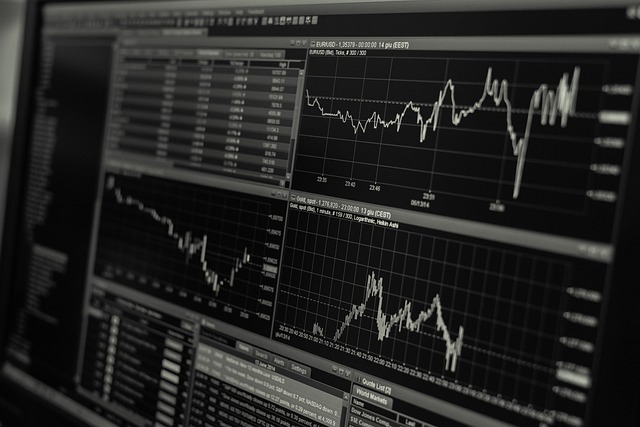
You don’t need to be a market wizard to grasp the basics of charting and you probably shouldn’t trade without at least a surface level understanding. Charts help you see where the price has been, where momentum is heading, and when markets might be getting overheated. Even if you’re not calling out Fibonacci levels on Twitter, being able to read a simple candlestick chart keeps you from flying blind.
Tools like TradingView make it easier than ever. It’s free to start, clean to use, and expandable the deeper you go. Think of it like a gym for your trader brain: you can start small, grow at your pace, and eventually fine tune your entire strategy. The platform includes built in indicators like RSI, MACD, and moving averages tools that tell you when emotions are driving price or when it’s time to chill.
There’s also a strategy tester baked in for those who want to simulate trades before diving in for real. That means you can experiment without losing sleep (or money). It’s one of the smartest ways to turn theory into practice.
If you’re just starting, check out this solid rundown of essential trading tools. It can save you hours of YouTube rabbit holes and lead you straight to what actually works.
Portfolio Trackers You Won’t Hate Using
Tracking your crypto manually gets old fast. If you’re jumping between exchanges, wallets, and tokens, you need a portfolio tracker that pulls everything into one clean dashboard. Real time updates are non negotiable. A second of lag in crypto can mean missing a big move.
Look for tools that offer auto sync across wallets and exchanges, cost basis tracking for clean tax records, and options for generating tax reports you can actually hand over to an accountant. A good tracker doesn’t just show your balance it tells you whether your portfolio is working.
Solid picks for beginners? CoinStats has a user friendly layout and solid syncing features. Delta blends tracking and insights well without overwhelming you. Zapper is especially good if you’re dabbling in DeFi and need a bird’s eye view of it all. Try a few find one you’ll actually stick with.
Tools That Strengthen Your Basics
Before you try to chart the next bull run, get your fundamentals locked in. The crypto space moves fast you need tools that keep pace but don’t overwhelm.
Start with a solid crypto news aggregator. Platforms like CryptoPanic and CoinDesk’s curated feeds let you scan major headlines, price impacting events, and expert opinions all in one place. They’re built for speed and clarity, so you’re not wasting time scrolling social media or wading through hype.
Next: education with a hands on twist. Simulation platforms like Investopedia’s crypto sandbox or Binance’s strategy trainer let you test drive trades without using real money. It’s low risk, high reward in terms of solidifying strategy and sharpening instincts. For those who prefer mobile first learning, apps like Altcoin Fantasy and BitScreener bundle practice trading and bite sized tutorials into one tidy space.
Learning by doing beats watching from the sidelines. These tools give you just enough action without throwing you into chaos. It’s the kind of practical prep that saves you real dollars down the line.
Pro tip: Bookmark this for later essential trading tools. It’s a solid roundup of everything worth exploring once you’re ready to level up.
Don’t Overload Start Lean
Diving into crypto trading can be exciting but also overwhelming if you’re trying to use every tool at once. Many beginners fall into the trap of thinking that more apps, platforms, and dashboards will make them better traders. In reality, the opposite is often true.
Start Small, Learn Deep
Instead of juggling multiple tools from day one, focus on a few reliable options that are designed for beginners. This gives you room to understand how the crypto market works, without getting distracted by unnecessary complexity.
Why fewer tools are better at the start:
Reduces decision fatigue and tool switching
Helps you master one step before moving to the next
Prevents you from relying on shortcuts you don’t fully understand
Focus on Foundation, Not Flash
It might be tempting to chase ROI with flashy bots or obscure altcoin signals, but your first goal should be confidence and clarity not quick gains. Use beginner friendly platforms that offer:
Clear tutorials and UI
Educational content built into the platform
Community support or FAQ libraries
Build as You Go
Once you’ve mastered the basics wallet security, market tracking, simple trades you can start stacking on more advanced tools. Grow your setup in sync with your skill level so that every new feature has a clear purpose.
A smart progression:
Step 1: Wallet + basic exchange (e.g., MetaMask + Coinbase)
Step 2: Add market and portfolio trackers
Step 3: Begin using charting tools and paper trading platforms
Step 4: Explore automation or DeFi tools if you’re ready
Trading is a skill that compounds over time. Build your toolkit intentionally, one layer at a time.
 Founder & Editor-in-Chief