Breaking Down the Basics
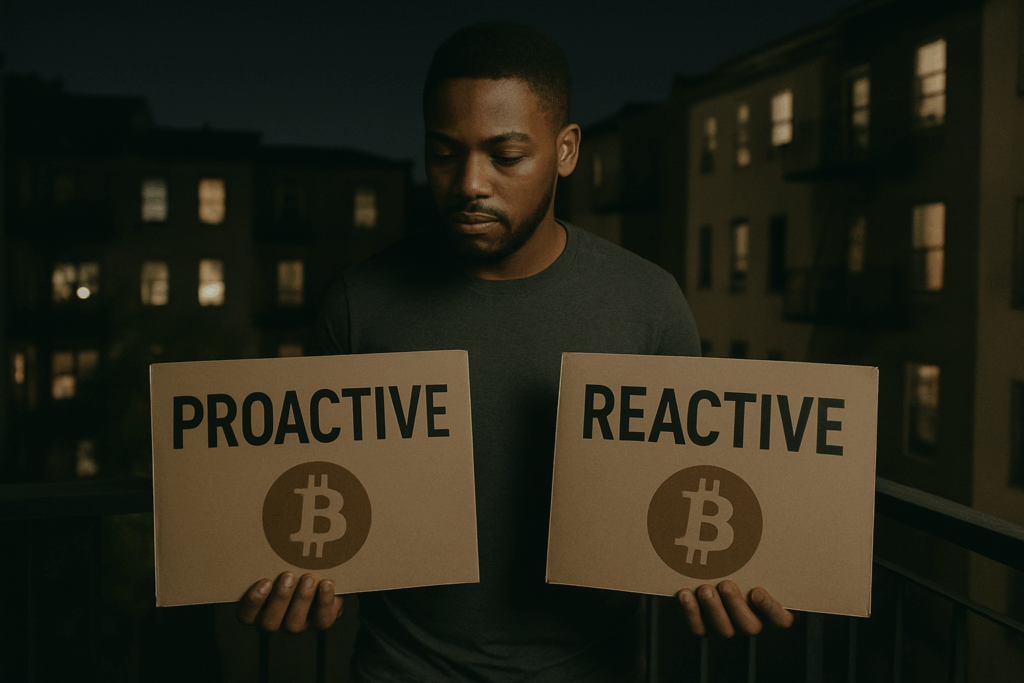
Passive and active crypto investment strategies serve two very different kinds of investors. The passive route is simple: buy assets, hold them, and let time do the work. Active investing, on the other hand, is all about chasing gains. It requires constant attention, quick decisions, and a solid grip on market signals.
So who are these for? If you’ve got limited time, little appetite for risk, or you’re just starting out, passive investing keeps things clean and manageable. You’re not trying to beat the market you’re just trying to ride it. Active investing suits people who like staying hands on, have a higher tolerance for losses, and enjoy studying charts as much as buying coins. It’s more demanding but potentially more rewarding.
This distinction matters even more in crypto than in traditional markets. Crypto moves faster, reacts sharper, and has fewer safety rails. The volatility can work for you or against you faster than you think. Being clear on your method isn’t just about comfort; it’s about survival. Whether you’re setting and forgetting or adjusting on the fly, knowing where you stand gives you an edge.
Passive Crypto Investment: Low Touch, Long Game
Passive investing in crypto boils down to this: pick solid assets, hold tight, don’t check your portfolio five times a day. It’s the closest thing crypto gets to autopilot.
The core approach is buy and hold time tested in traditional markets and now adapted to digital assets. That doesn’t mean throwing darts at altcoins. It means selecting projects with strong fundamentals (think Bitcoin, Ethereum, maybe a few blue chip Layer 1s) and sticking with them through the noise.
For broader exposure, some investors lean on index style strategies. That might mean holding a basket of top market cap tokens manually, or using tokenized ETFs when available. It’s about diversification without the headache of daily management.
Then there’s staking and yield farming passive income plays where tokens earn rewards just by being held or lent. These can feel like “set it and earn” tools, but they’re not risk free. Protocols can fail. Yields can plummet. Always read the fine print.
The upsides? Fewer decisions, less screen time, and fewer sleepless nights. It’s an approach that fits people who have jobs, kids, or just better things to do than stare at candlestick charts.
The downsides? Returns spill in slowly. And when markets dip, so does your portfolio. Patience and strong nerves are required.
To keep things simple and minimize timing risk, dollar cost averaging is your best friend. Invest a fixed amount at regular intervals it smooths out volatility and removes gut feeling guesswork. And yes, don’t neglect strategy. Mitigating risk isn’t optional. Start with these crypto portfolio strategies to build a solid base.
Passive crypto investing isn’t sexy. But it works if you can wait.
Active Crypto Investment: High Touch, High Stakes

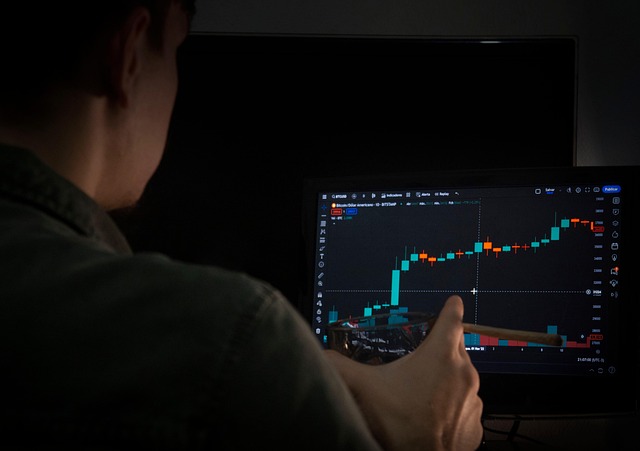
Active crypto investing isn’t for the faint of heart. We’re talking about full contact strategies like day trading, swing trades, and spotting arbitrage gaps between exchanges. These methods require more than just time they demand constant attention, fast decisions, and a willingness to play both the technical and emotional game.
Successful active traders tend to live by the charts. Candlestick patterns, RSI indicators, MACD signals this is their second language. But many also follow fundamentals like token project updates, regulatory news, or community trends. In crypto, blending both gives you an edge. Tools help, too: algorithmic bots, decentralized exchanges (DEXs), and options for leveraged trading make the space more customizable but they also raise the stakes.
The upside? If you’re quick, calculated, and a bit lucky, the returns can be significantly higher than passive strategies. You control your timing, your assets, and your execution. No waiting around. The downside? It’s exhausting. Emotional swings come with market swings. Mistakes get punished fast. And spending all day staring at red/green candles can burn anyone out.
So how do the pros manage the madness? Three words: structure, discipline, planning. Every trade should have a clear exit strategy whether it’s a profit take or a stop loss threshold. Position sizing matters more than you think; risking 10% of your portfolio on one trade isn’t bold, it’s reckless. And diversification is still alive in active investing. Spread exposure across asset classes, chains, and tactics. It’s one way to stay in the game long enough to win it.
Need help building a more balanced portfolio, even with an active edge? Check out Smart diversification strategies.
Which One Wins? That Depends
There’s no universal winner between passive and active crypto investing. The better choice hinges on a few personal variables starting with time. If you can’t commit to checking charts, reading news, and tracking positions daily, active trading probably isn’t for you. Passive investing favors the patient and the busy.
Then there’s temperament. Crypto is volatile, full stop. Active investors need to be comfortable with fast swings, sometimes brutal losses, and constant decision making. If watching your portfolio swing 20% in a day makes your stomach drop, staying passive might save your sleep and your sanity.
Next, consider your goals. If you’re playing a long game building wealth slowly, riding out cycles passive might check more boxes. But if you’re aiming to generate income now and have the time to manage trades, active strategies can deliver quicker wins (with higher risk).
That’s why many seasoned investors don’t pick one side. They split strategies. A stable core invested passively, paired with a smaller slice for active plays. It’s a mix that offers balance without losing edge. In crypto, where extremes are the norm, blended strategies may be your best bet for staying both sane and profitable.
Final Notes for Smarter Crypto Investing
When it comes to navigating the volatile world of crypto investing, having a grounded approach is more important than ever. Instead of chasing quick wins or relying solely on intuition, consider the following strategies to make smarter, more sustainable decisions:
Start Small, Experiment Wisely
Jumping all in is rarely a winning strategy, especially in a market as unpredictable as crypto. Start with manageable amounts and test both passive and active methods to see what suits your goals and temperament.
Allocate a small percentage of your portfolio to each style
Use demo accounts or paper trading tools for active experimentation
Track both emotional and financial reactions to each method
Analyze Performance Quarterly, Not Daily
Crypto moves fast, but your investment analysis shouldn’t. Obsessing over daily price swings leads to impulsive decisions. Instead, review your performance in quarterly snapshots to get a clearer picture.
Look beyond price consider ROI, volatility, and decision making patterns
Identify what’s working in each strategy and refine accordingly
Use quarterly reviews to rebalance your portfolio and set new goals
Keep Learning Stay Sharp in a Moving Market
The crypto landscape evolves rapidly. What works today might not tomorrow. Continuous learning helps you adapt and stay competitive.
Subscribe to trusted newsletters, podcasts, or research platforms
Follow regulatory updates, tech changes, and new tokenomics models
Revisit your strategy whenever market conditions shift significantly
In crypto, staying informed isn’t optional it’s your edge.
Remember, there’s no one size fits all answer. The smartest crypto investors are flexible, data driven, and grounded in a long term mindset.
 Head of Research & Blockchain Insights