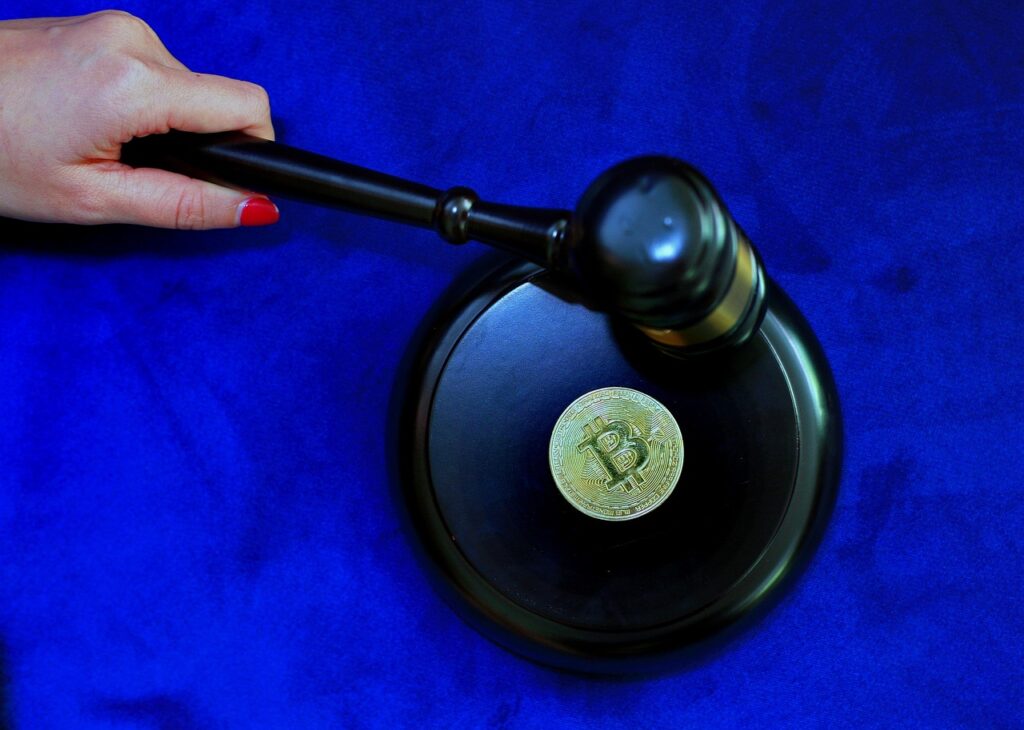
Global Regulatory Shifts Are Speeding Up
2025 didn’t just nudge crypto policy forward it hit the gas. Around the world, regulation caught up with the industry in a way we’ve never seen before. What started as a patchwork of vague guidelines quickly became a coordinated push for control, clarity, and compliance. The U.S. rolled out stricter federal oversight on crypto exchanges and wallet providers, forcing even the biggest players to rethink how they operate. Europe pushed forward with the Markets in Crypto Assets (MiCA) framework, locking in licensing and transparency rules. Meanwhile, Singapore and the UAE doubled down on real time auditability, staking out reputations as well regulated but innovation friendly zones.
For the first time, regulators led the pace faster than startups could iterate. Projects that once thrived in a gray zone suddenly found themselves facing enforcement, not ambiguity. DeFi, stablecoins, and token issuance all came under scrutiny. The age of leniency is over. Whether builders like it or not, global regulation is no longer playing catch up. It’s leading the race.
For anyone building in crypto, 2026 will hinge on one question: Can you innovate inside the lines?
Stablecoins Under the Microscope
As digital assets mature and integrate with broader financial systems, stablecoins are facing elevated scrutiny from global regulators. Once treated as a grey area, stablecoin issuance and usage are now directly in the crosshairs of financial policy makers.
Stronger Calls for Transparency
Governments are intensifying pressure on stablecoin issuers to prove their backing. With concerns about “unbacked” or poorly audited stablecoins, regulations are shifting toward stricter requirements:
Mandatory real time, third party audits of asset reserves
Monthly disclosures showing 1:1 collateralization
Restrictions on assets that qualify as acceptable backing (e.g., cash, government bonds)
These audit mandates are being spearheaded in regions including the U.S., EU, and parts of Asia, aiming to prevent another Terra style collapse.
KYC/AML Tightening for Issuers
Know Your Customer (KYC) and Anti Money Laundering (AML) frameworks are increasingly being applied not just to exchanges but also directly to stablecoin issuers. As of 2026, we expect to see:
Identity verification protocols built into stablecoin issuance platforms
Transaction level monitoring to flag suspicious transfers
Registration and compliance obligations similar to traditional financial institutions
These changes are meant to reduce the use of stablecoins for illicit activity while aligning the sector with baseline financial norms.
Ripple Effects on DeFi
Many decentralized finance (DeFi) platforms rely on algorithmic or lightly collateralized stablecoins which may soon fall outside acceptable regulatory standards.
Key impacts include:
Decreased liquidity if certain stablecoins are restricted or delisted
Protocols needing to pivot toward regulated or asset backed alternatives
A rise in hybrid models that combine collateralization with smart contract governance
In short, the era of the unregulated stablecoin is ending, and DeFi builders must now architect with compliance in mind.
A Defining Year for Central Bank Digital Currencies
CBDCs are no longer just theoretical they’re now in the wild. From China’s digital yuan to pilot programs in Europe, Latin America, and Africa, central bank digital currencies are moving out of the lab and into real world trials. For better or worse, governments are putting digital money on rails they can control completely, and it’s changing the landscape fast.
This shift is drawing a firm line between centralized and decentralized finance. On one side, you have CBDCs, fully backed and operated by states, offering predictability, compliance, and monetary policy reach. On the other, you have traditional crypto permissionless, borderless, but still largely unregulated. Creators, developers, and investors are being forced to choose sides, or at least build separate stacks.
This matters because CBDCs aren’t entering quietly. If they scale, they could disrupt private stablecoins, which have long filled the gap between crypto volatility and fiat utility. Governments will argue there’s no need for USDC, USDT, or algorithmic coins when everyone can use a trusted digital dollar pegged by the Federal Reserve. That may oversimplify things, but the question is real: are stablecoins ready to compete with digital fiat issued by the same entities that regulate them?
For more context, see this breakdown on central bank digital currencies.
AML and Tax Compliance Crackdowns

The days of anonymous wallets and vague tax positions are numbered. Regulators are closing the gaps and fast. In 2026, mandatory wallet identity verification is going mainstream. More regions are requiring KYC for self custody wallets, pushing both users and providers into compliance channels. If your wallet can move assets, it’s on someone’s radar.
Parallel to this, the G20 and OECD are leading efforts to sync up tax reporting rules across borders. The Common Reporting Standard (CRS) is expanding into crypto, and that means fewer loopholes for arbitrage or offshore avoidance. Projects that rely on regulatory gray zones are in for a rude awakening.
Meanwhile, decentralized services especially DAOs and protocols that dodge licensing are drawing fresh scrutiny. Audits are expanding beyond centralized exchanges to any platform that moves high volumes and lacks transparency. If you’re building without audit pathways or compliance signals, you’re a headline waiting to happen.
Bottom line: compliance isn’t optional anymore. The crypto space is moving from frontier turf to regulated infrastructure. That brings friction but also maturity.
Regulatory Sandboxes and Innovation Hubs
Not every country wants to clamp down on crypto. Some are opening doors instead just carefully. Regulatory sandboxes and innovation zones are becoming strategic tools for governments to support crypto experiments in controlled environments. The idea is simple: give startups a space to test products under light supervision, without full blown regulation applying from day one. It’s not a law free zone, but it’s a livable one.
Hong Kong is making a strong comeback as a crypto hub, offering licensing pathways with regulatory sandboxes for digital assets, payments, and tokenization projects. Switzerland isn’t new to the game the Crypto Valley in Zug has been a pioneer for years, providing legal clarity that draws both startups and deep pocketed investors. Brazil is the one to watch now: it’s setting up controlled testing zones focused on decentralized finance and blockchain for financial inclusion.
The appeal? These setups provide guardrails without stifling innovation. Startups get real world validation. Investors get lower risk exposure. And governments get to study crypto’s edge cases up close. That mix is turning these countries into destination zones for the next wave of infrastructure and utility focused crypto ventures.
What Investors and Builders Need to Watch
As global cryptocurrency regulation tightens, 2026 is shaping up to be a defining year for projects, platforms, and investors aiming to stay ahead of compliance requirements without stalling innovation. Here are the critical developments to focus on:
New Reporting Standards Are Arriving
Regulatory bodies across jurisdictions are introducing more robust and interoperable frameworks. Two standards are particularly important:
ISO 20022 Adoption: This global financial messaging standard is being expanded to include digital asset reporting, pushing crypto firms to integrate better formatting for compliance and interoperability.
MiCA (Markets in Crypto Assets Regulation): The EU’s sweeping framework takes full effect in 2026, enforcing transparency, consumer protection, and reserve requirements for token issuers and service providers.
These measures aim to reduce opacity in crypto markets and align digital asset practices with traditional financial institutions.
Rethinking Token Classifications
One of the biggest regulatory challenges this year involves how tokens are defined and treated from utility tokens to those that may now qualify as securities.
Tokens once labeled as “utility” are facing greater scrutiny around their economic function and investor expectations.
Enforcement bodies are using the Howey Test and similar frameworks globally to reevaluate project intent, access rights, and tokenomics.
Projects may need to update legal documentation and financial disclosures to reflect evolving classifications.
Balancing Innovation With Compliance
While the regulatory landscape is maturing fast, it’s not meant to shut down crypto ecosystems it’s about building standards for long term stability and adoption.
Strategies to stay compliant while continuing to innovate include:
Integrating compliance by design approaches from day one of development.
Partnering with RegTech firms to ensure dynamic monitoring and flag potential issues early.
Maintaining transparent communication with users, investors, and regulators.
Staying ahead requires more than just adapting to rules it means anticipating them. Builders that prioritize interoperability, legal harmony, and clear token utility will be well positioned in the years to come.
Synced With the Future
Crypto regulation is evolving quickly, and tech is following suit. RegTech short for regulatory technology is no longer a niche add on. It’s now table stakes for any crypto project that wants to survive the next wave of audits, inquiries, or compliance demands. These tools aren’t just about staying out of trouble. They’re helping projects anticipate issues before they arise, automating risk detection and integrating clean reporting from the ground up.
Cross chain analysis is also moving from experimental to expected. Regulators and private firms can now trace transactions across multiple chains with surprising clarity. Add AI driven monitoring to the mix constant scanning for anomalies, flagged wallet behavior, and real time policy updates and you’ve got a compliance layer that’s fast, adaptive, and increasingly non negotiable.
But there’s tension on the horizon. Privacy oriented coins and transaction mixers are facing new fire. While the tech behind them isn’t illegal by default, their use cases are being examined more closely, especially when crossing borders or interacting with centralized exchanges. The road ahead? A tougher regulatory stance is likely, but so is a pushback from builders who believe privacy is a feature not a flaw.
Final Word: Adapt or Exit
The era of unclear policy and regulatory loopholes is closing fast. Forget the days of hoping to stay under the radar governments have now built clear frameworks, and they’re enforcing them. Resistance might feel bold, but it’s not scalable. Teams that ignore the letter of the law or try to dance around it are running on borrowed time.
For Web3 builders, technical brilliance alone won’t cut it anymore. Legal strategy is part of the core stack, right up there with smart contracts and tokenomics. Smart teams are lawyering up early, designing token structures for compliance from day one, and watching every geographic zone they operate in. If you’re not, your competitor is.
Also, don’t sleep on central bank digital currencies (CBDCs). They’re not just pilot projects anymore they’re shaping the infrastructure of future finance. Expect them to redefine user expectations, influence UX standards, and pressure decentralized protocols to meet tighter regulatory metrics. Watch this space closely: central bank digital currencies.
 Lead Markets & Trading Strategist