What’s Different About Blockchain in 2026
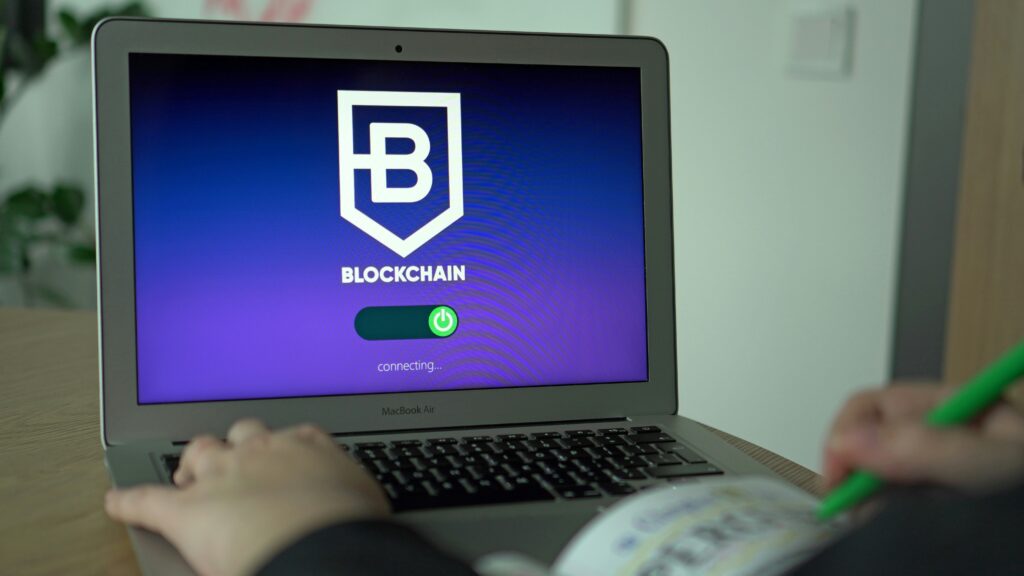
Blockchain has officially moved beyond its buzzword phase. In 2026, it’s no longer confined to speculative crypto headlines or tech conferences. Instead, it’s embedded within the infrastructure of industries that touch billions of lives every day.
From Hype to Daily Utility
The conversation around blockchain has matured. It’s no longer about “what if,” but rather “here’s how.”
Mainstream adoption is evident across multiple sectors, from logistics networks to public records management
Companies have transitioned from pilot programs to full scale implementations
Public and private organizations are starting to depend on blockchain for real time operations
Utility Over Speculation
Rather than being fueled by token speculation or crypto scarcity models, today’s blockchain implementations are rooted in solving real problems.
Businesses care about efficiency and trustworthiness, not token valuations
Smart contracts, distributed ledgers, and data integrity are the focus not just decentralized finance (DeFi)
Real world problems like data breaches, supply chain fraud, and identity theft are now blockchain use cases
Core Benefits Taking Center Stage
There’s a heightened focus on the pillars that made blockchain exciting in the first place only now, these features are being practically applied.
Transparency: Every transaction or data change is recorded immutably for auditing
Security: Decentralized systems reduce single point failures and limit data tampering
Decentralization: Power is shifting away from centralized authorities to systems that represent all stakeholders
2026 marks a turning point not just in how blockchain is used, but in how it’s understood. It’s no longer an emerging technology; it’s a foundational layer of digital infrastructure.
Verified Use Case: Supply Chain Transparency
In 2026, blockchain’s impact on global supply chains is no longer theoretical it’s practical, proven, and expanding across industries.
From Origin to Shelf
Brands now use blockchain to track a product’s journey in real time, from raw material sourcing to retail delivery. Each transaction is logged on a tamper proof ledger, giving both consumers and companies unprecedented insight and accountability.
Real time data on sourcing, manufacturing, and logistics
Tamper resistant records reduce misinformation and reporting errors
End to end visibility helps spot inefficiencies and irregularities early
Fighting Fraud and Improving Safety
Blockchain’s transparency drastically cuts down on counterfeit goods and enables faster, more accurate product recalls a critical feature for industries like food, pharmaceuticals, and electronics.
Clear proof of origin helps identify counterfeit products
Accelerated and accurate recalls protect consumers and brand integrity
Ensures compliance with safety and regulatory standards
Embracing Sustainability at Scale
As climate goals become business priorities, major retailers are tapping blockchain solutions to track emissions and assess environmental impact at every step in the supply chain.
Carbon footprint tracking embedded into supply records
Automated sustainability audits based on verified data
Reduction in waste due to improved inventory and route planning
For an in depth look at how blockchain transforms industries from logistics to healthcare, explore:
How Blockchain is Revolutionizing Various Industries
Verified Use Case: Healthcare Data Management
Healthcare is one of the most sensitive domains for data storage and exchange, and in 2026, blockchain is proving its value by offering secure, decentralized alternatives to traditional systems.
Why Blockchain Fits Healthcare
Tamper proof data: Once patient records are added to a blockchain, they cannot be altered without clear and traceable permissions.
Patient owned records: Individuals gain ownership and control over their data, enabling them to choose who can access it and when.
Portability: Records stored on blockchain networks are accessible across institutions and borders, promoting consistency in care.
Real World Implementations
Hospitals and healthcare networks are implementing blockchain based systems to improve internal operations and patient trust:
Consent management: Transparent logs track when and how patients have given consent for procedures or data sharing.
Clinical trials: Blockchain ensures integrity by logging trial stages, results, and consent forms, reducing the risk of data manipulation.
Benefits for Collaboration
Blockchain isn’t just about storage it encourages secure, effective collaboration between:
Research institutions
Medical providers
Pharmaceutical companies
While preserving compliance with data privacy laws, blockchain enables multiple stakeholders to work with shared sets of accurate, real time information.
This shift empowers faster innovation in treatment development, more transparent data use, and greater trust from patients.
Verified Use Case: Digital Identity Systems
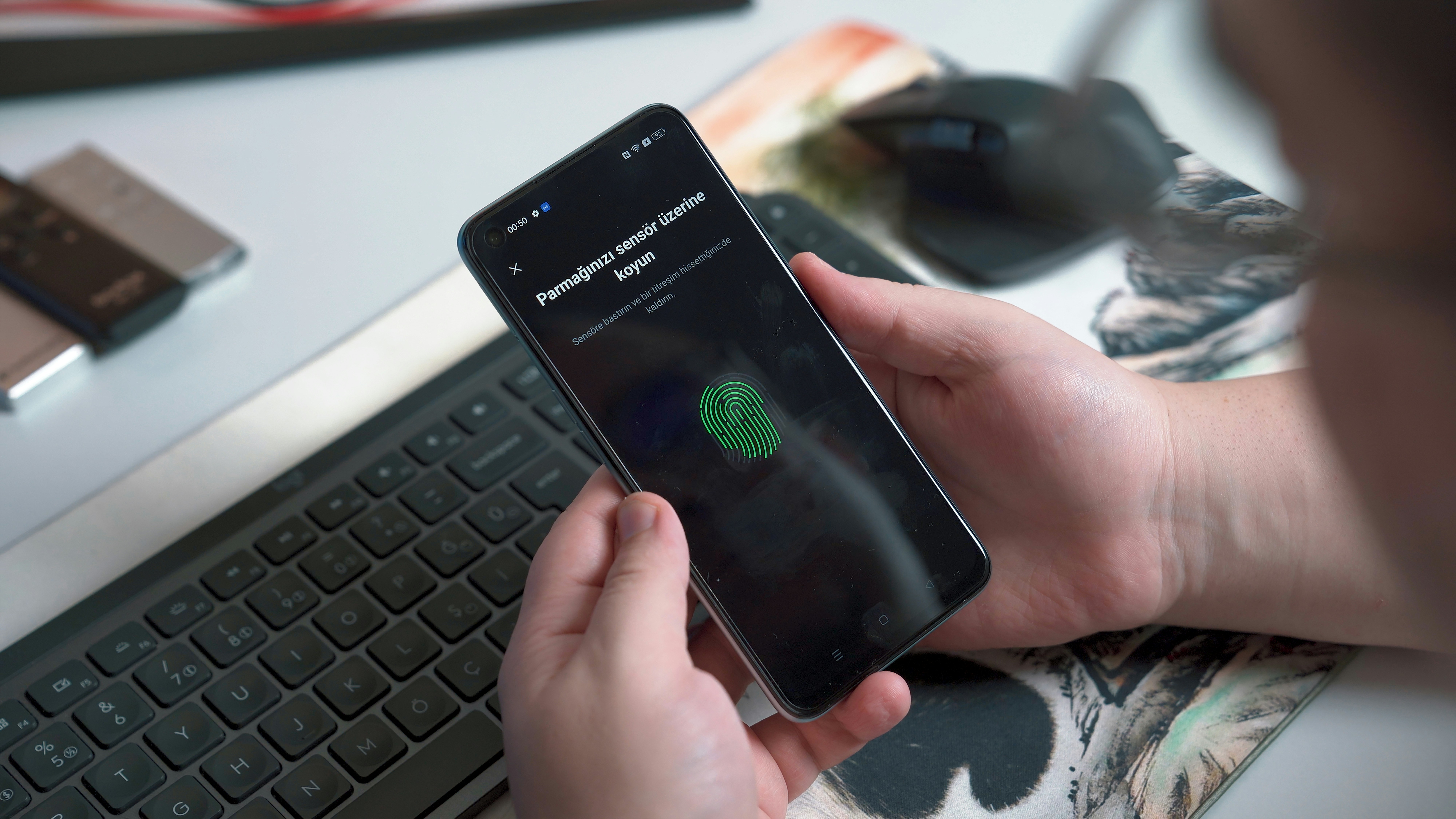
Ownership of personal identity is no longer locked behind centralized platforms. In 2026, blockchain is finally delivering on its promise of decentralized identity giving people direct control over how, when, and where their info is used. That means secure logins without third party data brokers, digital passports managed through personal wallets, and even blockchain based voting systems that remove the need for vulnerable databases.
The real traction? It’s happening in places where identity infrastructure was fragile or missing. In regions without consistent access to government issued IDs, blockchain is stepping in to fill the void offering portable, secure credentials that can prove education, job history, or citizenship. For millions, it’s not about tech hype. It’s about finally being seen in systems that once overlooked them.
This shift changes how identity works across the board. Platforms no longer dictate who you are online. You do.
Verified Use Case: Finance Beyond Crypto
The finance industry has moved far beyond just trading tokens. In 2026, blockchain is being used to handle real, messy processes fast and with fewer middlemen. Smart contracts are doing the grunt work. Insurance claims are resolved faster, with less paperwork. Auto loans get approved and executed in minutes, not days. Payroll? Triggered automatically when conditions are met, no chasing HR or delays at the end of the month.
Cross border payments are finally catching up with global demand. Blockchain powered transfers now settle in near real time with significantly lower fees, sidestepping the old mess of banking intermediaries. Businesses dealing in multiple currencies are saving both time and dollars.
And then there’s the big play: central bank digital currencies (CBDCs). Several countries are no longer stuck in pilot mode they’re rolling out blockchain based currencies aimed at improving the traceability, security, and stability of government backed money. It’s not about replacing cash yet, but it’s a new layer of controlled digital liquidity governments can actually track and manage.
These aren’t just experiments anymore. Finance is finally finding its blockchain backbone.
Ongoing Challenges That Haven’t Disappeared
Despite blockchain’s growing foothold in real world systems, several core problems still need fixing and they’re not small ones.
Scalability is first on the table. Most blockchains were simply not built to handle the kind of transaction volume we’re now asking of them. Bitcoin and Ethereum have seen improvements (think Layer 2 solutions and more efficient consensus mechanisms), but high throughput networks still rely on trade offs. Faster often means less decentralized. Meanwhile, energy efficiency has become less of a political football and more of a hard requirement proof of stake helps, but hardware usage and scale remain sticking points. We’re not where we need to be yet.
Then there’s interoperability. Right now, blockchains operate like sovereign islands each with their own rules, assets, and infrastructure. Moving data or value across chains is clunky and risky, often relying on centralized bridges that undermine the whole point of decentralization. A true cross chain ecosystem requires better protocols, not just workarounds.
Regulation is the wild card. Governments around the globe are still playing catch up. Some are cracking down, others are cautiously supportive, and a few are trying to build their own frameworks. With no universal rules or agreed definitions, businesses are stuck navigating an uneven terrain. One misstep, and things get costly fast. Who has jurisdiction? Who’s liable? Nobody really knows yet. And until that’s sorted, scaling blockchain responsibly will stay complicated.
Why It Matters Now More Than Ever
In a world where trust keeps taking hits from data leaks to corporate greenwashing transparency isn’t just a buzzword. It’s a baseline expectation. That’s exactly why blockchain is gaining serious traction across sectors. The tech creates a simple promise: verified actions and records that can’t quietly disappear. That’s powerful whether you’re tracking a diamond from mine to store or confirming a medical consent form was signed.
Blockchain also brings durability to systems that are vulnerable to shock economic, political, or digital. In places with fragile infrastructures, it’s becoming a backbone for secure identity, contracts, and banking alternatives. And for large scale operations in stable regions, it’s bridging trust gaps between companies, customers, and regulators.
The key? Blockchain is still evolving. Hybrid chains, zero knowledge proofs, and scalable consensus models are moving past the experimental stage. The next three years will either cement its place in daily systems or expose its limits. Smart observers are watching closely.
For more, check out How Blockchain is Revolutionizing Various Industries.
 Lead Markets & Trading Strategist