Adult bears, whether in the wild or captivity, face a range of health issues. These can seriously affect their quality of life and longevity. osos maduros enfermedad is a critical topic that needs more attention.
This article covers common health conditions, symptoms, causes, and management strategies. It’s based on expert veterinary advice and the latest research. If you’re involved in bear care or conservation, this information is essential.
Why should you trust us? We’ve done the research and consulted with experts. You need reliable, up-to-date info to make informed decisions.
Let’s dive in.
Common Health Conditions in Adult Bears
Arthritis is a real pain for adult bears. It causes joint pain and inflammation, making it tough for them to move around.
Symptoms include limping, stiffness, and reluctance to climb or play. Treatment options can range from anti-inflammatory medications to physical therapy.
Dental issues are another big problem. Tooth decay and gum disease can be common.
Prevention is key. Regular dental check-ups and a balanced diet can help. If a bear does develop dental problems, treatment might involve cleaning, extractions, or even root canals.
Obesity is a growing concern. Overweight bears face a higher risk of heart disease, diabetes, and other health issues.
Weight management is crucial. A balanced diet and regular exercise can go a long way. (Sometimes, just a little more activity can make a big difference.)
Osos maduros enfermedad can be a serious issue. It’s important to stay vigilant and proactive about their health.
By keeping an eye on these conditions, you can help ensure your bear stays healthy and happy.
Nutritional Needs and Diet-Related Conditions
When it comes to a balanced diet, everyone talks about the same old nutrients. But let’s be real, adult bears need more than just the basics.
Protein, fats, and carbs are essential, sure. But don’t forget about vitamins and minerals. They play a crucial role in maintaining optimal health.
Malnutrition is a serious issue. It’s not just about being underfed; it can also mean missing out on key nutrients. Symptoms like fatigue, weakness, and even osos maduros enfermedad can show up.
Long-term, it can lead to severe health problems.
So how do you ensure a balanced diet? Start by understanding what your bear needs. (It’s not as simple as following a generic diet plan.)
Food allergies and intolerances are more common than you think. Identifying them can be tricky. Watch for signs like digestive issues or skin rashes.
Managing these conditions isn’t just about avoiding certain foods. It’s about finding alternatives that still provide the necessary nutrients.
In the end, it’s all about balance and awareness. Don’t just follow the crowd. Make informed decisions based on your bear’s specific needs.
Parasites and Infectious Diseases
Internal parasites can be a real headache. Types of internal parasites include worms, protozoa, and more. Symptoms vary but often include digestive issues, fatigue, and weight loss.
Effective treatment methods usually involve medications prescribed by a doctor. Knowing the signs and getting treated early can save you a lot of trouble.
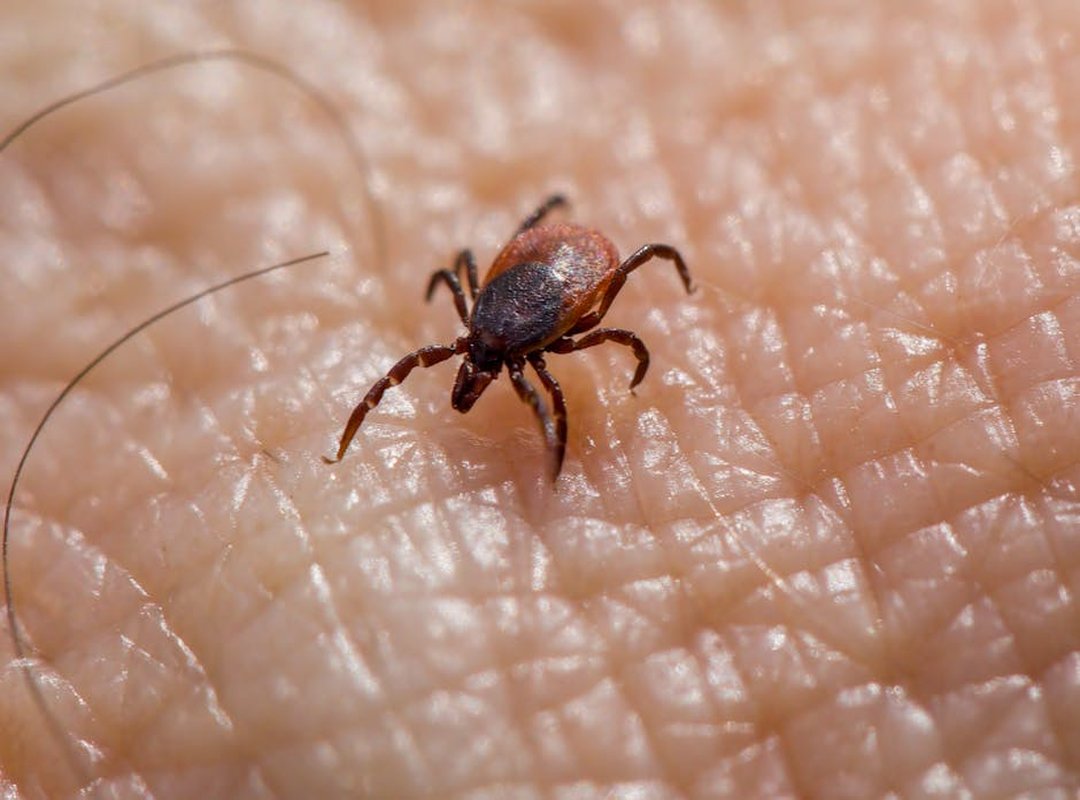
External parasites, like ticks and mites, are just as annoying. They can cause skin irritation, itching, and even transmit diseases. Controlling them involves regular cleaning, using repellents, and sometimes professional pest control.
Staying on top of these pests means fewer health issues for you and your family.
Infectious diseases are another big concern. Common ones include the flu, osos maduros enfermedad, and others. These diseases spread through various means—air, water, or direct contact.
Preventive measures like vaccinations, good hygiene, and avoiding close contact with sick people can go a long way.
Understanding how to prevent and treat these conditions is crucial. It keeps you and your loved ones healthy and reduces the risk of serious complications.
emerging cryptocurrency regulations to watch in 2026
Behavioral and Mental Health Concerns
Stress and anxiety can really take a toll on adult bears. Osos maduros enfermedad is a real issue, and it’s often caused by environmental changes, lack of space, or social pressures.
Creating a stress-free environment is key. Think about natural habitats and try to mimic them as closely as possible.
Behavioral problems in bears can range from aggression to lethargy. These issues often stem from the same root causes as stress and anxiety.
For behavior modification, consistency is your best friend. Regular training sessions and positive reinforcement go a long way.
Pro tip: Always consult with a wildlife expert before making any major changes to an adult bear’s environment.
Preventive Care and Regular Check-Ups
Regular veterinary visits are a must. Have you ever wondered why? They help catch issues early, saving you from bigger problems later.
During a check-up, the vet will do a thorough examination. They’ll check your bear’s eyes, ears, nose, and mouth. They’ll also listen to the heart and lungs, and feel for any unusual bumps or swelling.
Vaccinations are another key part of preventive care. What vaccines does your adult bear need? Here’s a quick rundown:
- Rabies: Typically given annually.
- Distemper: Usually every three years.
- Parvovirus: Also every three years.
- Leptospirosis: Annually, especially if your bear is in an area with standing water.
These schedules can vary, so always consult your vet. They know the local conditions and can tailor the plan to your bear’s needs.
But what about osos maduros enfermedad? It’s a condition that can affect older bears. Regular check-ups help monitor and manage this, keeping your bear healthy and happy.
Stay on top of these basics. Your bear will thank you.
Ensuring the Longevity and Well-Being of Adult Bears
The article discusses several key health conditions affecting adult bears, including osos maduros enfermedad. Regular check-ups are crucial for early detection and treatment. A balanced diet rich in essential nutrients supports their overall health.
Creating a stress-free environment is also vital, as stress can exacerbate many health issues. Stay informed about the specific needs of adult bears and consult with professional veterinarians for the best care.
 Founder & Editor-in-Chief