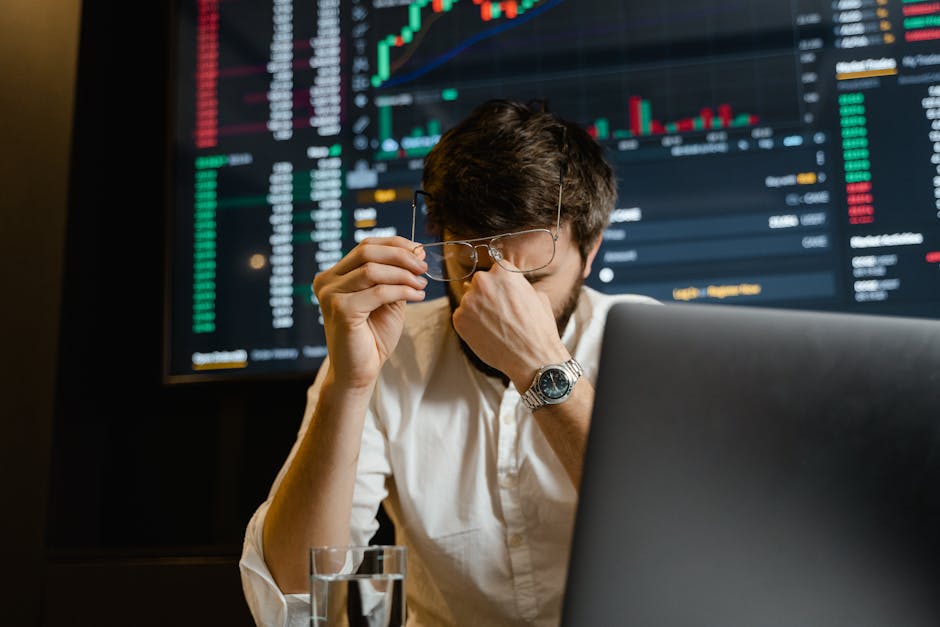
Reading the Market Pulse
Volatility isn’t just a feature of the crypto market it’s the core of what makes it tick. Unlike traditional finance, crypto runs 24/7, with no off switch and minimal regulatory buffers. That kind of always on, loosely tethered environment breeds rollercoaster price swings. Traders love the upside, fear the downside, and stay glued to their screens in between.
What triggers these moves? Three things, mostly:
-
News cycles. A single tweet, lawsuit, or headline can send coins into the stratosphere or straight through the floor. Market sentiment reacts fast and hard to narratives.
-
Macroeconomic shifts. Inflation reports, interest rate changes, or a shaky banking sector can either send investors scrambling into Bitcoin as a safe haven, or fleeing from risk entirely.
-
Regulatory moves. Whether it’s the SEC suing an exchange or a country announcing a ban or a greenlight, policy decisions instantly shake the market’s foundation.
To keep up, every serious trader watches real time data feeds like a hawk. Think CoinMarketCap and TradingView for prices and technicals, CryptoPanic for breaking news, and Twitter/X for sentiment trends. The game is about quicker reactions and smarter filters. If you’re late to the info, you’re already behind.
Volatility defines crypto. Learn to read it, or it’ll read you.
Technical Analysis Tools That Actually Help
Technical analysis remains one of the most effective ways to interpret and anticipate cryptocurrency market volatility when used correctly. If you’re serious about navigating price swings, mastering a handful of proven tools and techniques can make a significant difference.
Core Indicators to Watch
Certain technical indicators consistently prove useful in gauging crypto trends. Here are a few essential ones:
Moving Averages (MA)
Track price trends over time. Simple (SMA) and exponential (EMA) moving averages help smooth out volatility and identify support/resistance levels. Look for crossovers like the 50 day crossing the 200 day as indicators of trend changes.
Bollinger Bands
These measure market volatility using a moving average and standard deviations. When price touches the upper or lower band, it may signal an overbought or oversold condition key insight before major moves.
Relative Strength Index (RSI)
RSI shows whether assets are overbought or oversold based on recent price changes. Readings over 70 suggest overbought levels; below 30 indicate oversold conditions. Sharp moves in RSI often precede breakout moments.
Chart Patterns That Signal Swings
Visual patterns can reveal possible trend reversals or continuations valuable clues in a fast moving market.
Head and Shoulders / Inverse Head and Shoulders
Typically marks a reversal pattern. A head and shoulders at the top of a trend suggests a possible sell off. The inverse suggests the opposite an emerging rally.
Double Tops and Bottoms
Price fails to break past a resistance or support level twice, signaling a potential reversal. These are classic alerts for upcoming volatility.
Triangles (Ascending, Descending, Symmetrical)
Indicate periods of consolidation expect a breakout as volume builds. Direction depends on broader trend context.
Candlesticks: Simplicity Over Hype
You don’t need to memorize dozens of candlestick formations to benefit from them. Focus instead on a few high probability signals:
Doji candles often represent indecision and may signal a reversal when confirmed by surrounding price action.
Engulfing patterns (bullish or bearish) frequently appear at key turning points.
Wick rejections show failed attempts to push price higher or lower another common signal of change.
Candlesticks work best in context use them with volume, trend direction, and support/resistance levels in mind.
Tip: Don’t overcomplicate your charts with every tool available. Rather, refine a few reliable indicators and learn how they behave under different market conditions.
Sentiment Analysis: Tracking Emotion Over Logic
In cryptocurrency markets, price movements often reflect emotion more than fundamentals. Understanding the collective mood of investors gives traders a crucial edge especially in a space as volatile as crypto.
Where to Watch for Sentiment Shifts
To track trader behavior in real time, focus on the social channels where the crypto community is most active:
Crypto Twitter (X): Often the first place rumors, reactions, and breaking news surface.
Reddit (r/CryptoCurrency, r/Bitcoin, r/Ethereum): Offers deep discussion threads and sentiment heavy commentary.
Discord Servers: Used by project communities and trading collectives insights here can reveal grassroots sentiment shifts others miss.
These platforms can serve as early indicators of market mood changes, hype cycles, or fear driven selloffs.
Tools That Automate Sentiment Scanning
Manually monitoring every tweet or forum post isn’t realistic. Thankfully, a new wave of sentiment analysis tools can scan and synthesize vast volumes of data:
LunarCrush: Aggregates social data into actionable sentiment scores.
Santiment: Provides on chain and sentiment analysis in real time.
The Tie: Offers institutional grade sentiment metrics based on social and media mentions.
These tools help filter the noise and highlight meaningful shifts before they’re visible in price.
Beware the Echo Chamber
While powerful, sentiment analysis isn’t foolproof. Relying too heavily on crowd behavior can backfire:
Echo chambers on social media may reinforce biased narratives.
Hype driven sentiment often peaks just before a correction.
False signals can emerge if bots or coordinated campaigns manipulate discourse.
Use sentiment signals as part of a broader strategy not as the sole driver of trading decisions.
By combining emotional insights with technical and on chain data, you can navigate the crypto market with a clearer, more balanced perspective.
On Chain Metrics: Following the Smart Money

When markets get noisy, on chain data brings the signal. Wallet activity, transaction volume, and exchange flows all reflect what’s really happening under the surface far from hype cycles and clickbait headlines.
Watching wallet movements tells you who’s accumulating and who’s dumping. Sharp upticks in new wallet creation often come before a cycle shift. Large wallets transferring funds to exchanges? That’s a red flag. Smart money doesn’t tweet; it moves capital. And when whales start shifting positions, it usually means they see something coming that the retail crowd hasn’t clocked yet.
Tools like Glassnode, Nansen, and CryptoQuant make this intel digestible. You don’t need to be a blockchain analyst to spot the patterns just start tracking trends like exchange inflows, active addresses per asset, or MVRV ratios. These metrics won’t predict the future with 100% accuracy, but they give you a serious edge in identifying early signs of market turning points.
Whale activity often precedes major reversals not because whales are magical, but because they’re careful. They move early and in size so if you’re watching closely, you can ride the wave instead of getting crushed by it.
Machine Learning and Predictive Models
Cryptocurrency markets are built on turbulence. Predictive models built on machine learning are starting to make sense of that chaos at least some of it. These models take in historical data, price movements, trading volume, momentum indicators, and dozens of other variables. The goal? Spot patterns that led to volatility before and predict when they might strike again.
Unlike traditional technical analysis, which relies heavily on human interpretation, AI models cut through the noise. They learn from vast chunks of data and make connections that a person staring at charts for hours might miss. This gives traders early warnings about likely surges or sudden dips. And when volatility is everything, that head start matters.
But there’s a tradeoff. These systems don’t understand the world they understand numbers. A model can’t predict a regulatory crackdown in a single tweet or a flash crash triggered by panic selling unless it’s seen a version of it before. Blindly trusting machine learning tools is a gamble. They work best as signal boosters, not sole decision makers. The smart approach is to listen to what the machine sees but never stop thinking like a human.
Best Practices for Staying Ahead
No single data stream tells the whole story. Smart crypto traders know that technical indicators, sentiment analysis, and on chain metrics each reveal different sides of market behavior. Used together, they offer a clearer picture of what’s really going on and where things might be headed. One chart may scream “buy,” while whale wallets quietly exit. You won’t see that unless you’re paying attention to all angles.
But theory isn’t enough. Every strategy looks brilliant until it meets a live market. That’s why paper trading and simulations matter. They let you stress test your methods in real time without risking capital. You’ll spot weak points, refine timing, and build confidence before clicking the buy button.
Finally, accept this: in crypto, the unexpected isn’t rare it’s inevitable. Black swan events aren’t corner cases, they’re recurring characters. Flash crashes, regulatory bombshells, and sudden hacks can upend even the most airtight thesis. If you’re not building your strategy with room for chaos, you’re not building for the real market.
Stay Informed, Trade Smarter
Crypto doesn’t sleep and neither do the forces that move it. When volatility spikes, the traders who stay informed don’t just react; they anticipate. That means making reliable sources part of your daily flow. News aggregators are fine, but they only scratch the surface. Look for deeper analysis from respected market watchers, and bookmark resources you trust. For starters, this breakdown on analyzing market volatility is worth keeping in rotation.
But it’s not just about input. Discipline is the other half of the equation. Set a routine: 15 minutes every morning reviewing overnight action, weekly check ins on macro trends, and scheduled time to learn without turning it into an endless scroll. This is how you stay sharp without frying your brain. The edge goes to those who plan their info diet like they plan their trades.
 Head of Research & Blockchain Insights